
What Standards Apply to Road Line Marking in Australia?
Road line marking in Australia is governed at three levels.
AS 1742.2 sets what the markings mean and where they go, as part of the Manual of Uniform Traffic Control Devices. The AS 4049 series covers the materials themselves. On top of both, each state road authority publishes its own specification governing approved products, application rates, tolerances and verification, and it is that third layer that most often decides what actually happens on a given project.
Getting this wrong is expensive in a specific way: non-conforming marking usually has to be removed, not just remarked.
What does AS 1742.2 cover?
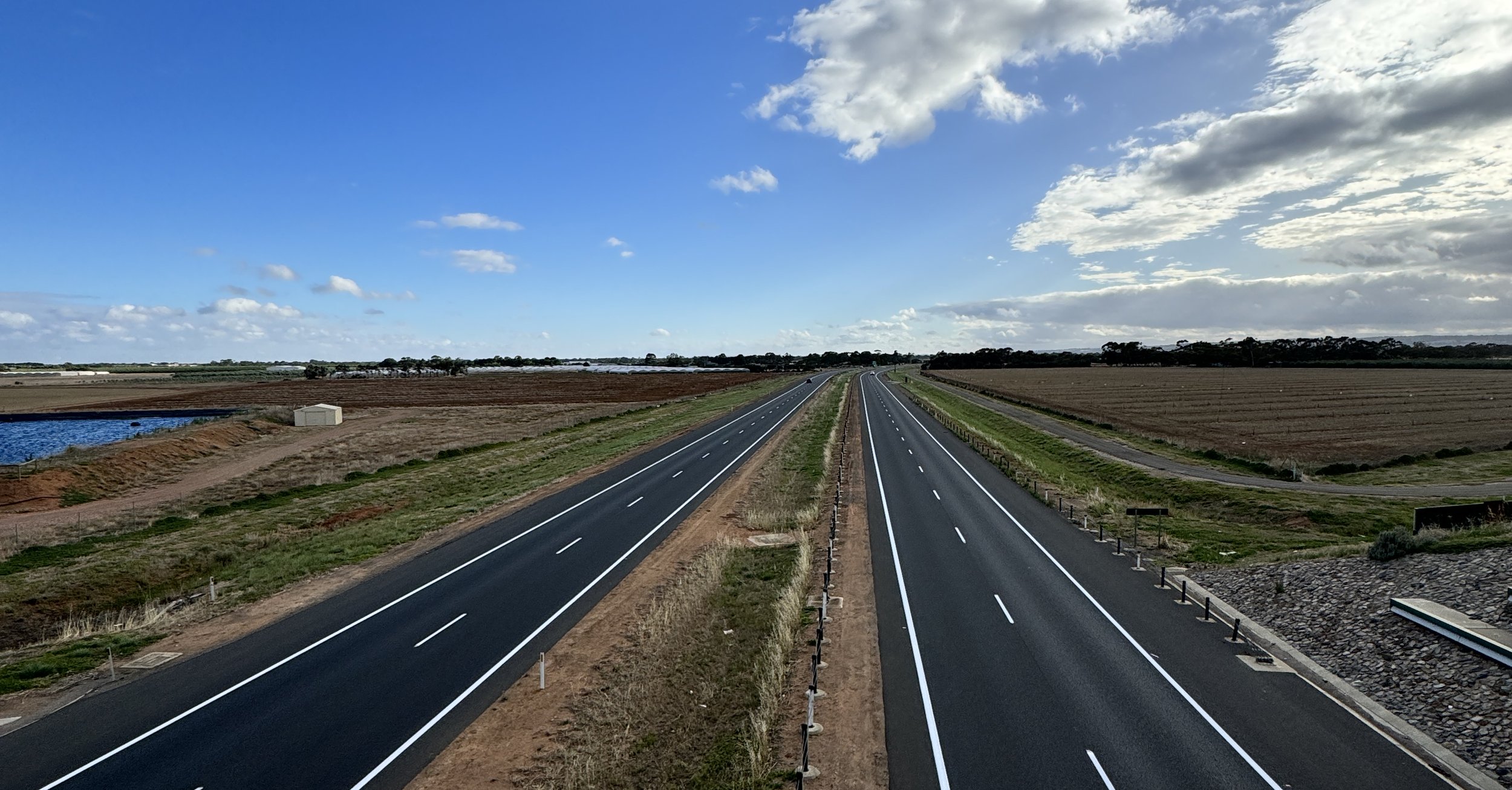
AS 1742.2 is the part of the Manual of Uniform Traffic Control Devices dealing with traffic control devices for general use, including the pavement markings used on public roads.
It is a design and application standard rather than a materials standard. It governs the meaning, dimensions, placement and configuration of markings: longitudinal lines, their spacing and continuity, arrows, symbols and legends, and where each is used.
The practical consequence is that AS 1742.2 tells you what a line means and where it belongs. It does not tell you what to make it out of. Those are separate questions answered by separate documents, and they are frequently conflated in tender documentation.
Related standards in the same family apply to adjacent work. AS 1743 governs road sign manufacture and specification, which matters wherever a marking scheme and a signage scheme have to agree.
What standards cover line marking materials?
The AS 4049 series cover pavement marking materials, with separate parts for the different material types. The series is published in five parts: three cover specific material types, one sets performance-assessment methods, and one covers field skid-resistance measurement.
Australian Standards — Pavement Marking Materials
| Standard | Material/Scope | Primary Application |
|---|---|---|
| AS 4049.3 | Waterborne Paint | Waterborne pavement-marking paint for use with surface-applied glass beads |
| AS 4049.2 | Thermoplastic Pavement Marking Materials | Thermoplastic pavement-marking materials for use with surface-applied glass beads |
| AS 4049.1 | Solvent-Borne Paint | Solvent-borne pavement-marking paint for use with surface-applied glass beads; largely superseded by waterborne systems on current projects |
| AS 4049.5 | Performance Assessment of Pavement Markings | Sets the field/laboratory performance-assessment criteria (retro reflectivity, colour, skid resistance, durability) used to judge any pavement marking material once applied |
Cold-applied plastic (CAP) systems are not covered by a dedicated AS 4049 material part. They are approved instead through the CSIRO Australian Paint Approval Scheme (APAS Specification AP-S0041/3) and through the individual state road authority master specifications set out below.
Materials standards matter more than they appear to. Two products that both satisfy the same standard can perform very differently in service, because a standard sets a floor rather than a specification for a particular road. This is why road authority approved product lists exist on top of the standards, and why the material selection question is a separate exercise from the compliance question. See which line marking material for which road.
What do state road authorities require on top of the Australian Standards?
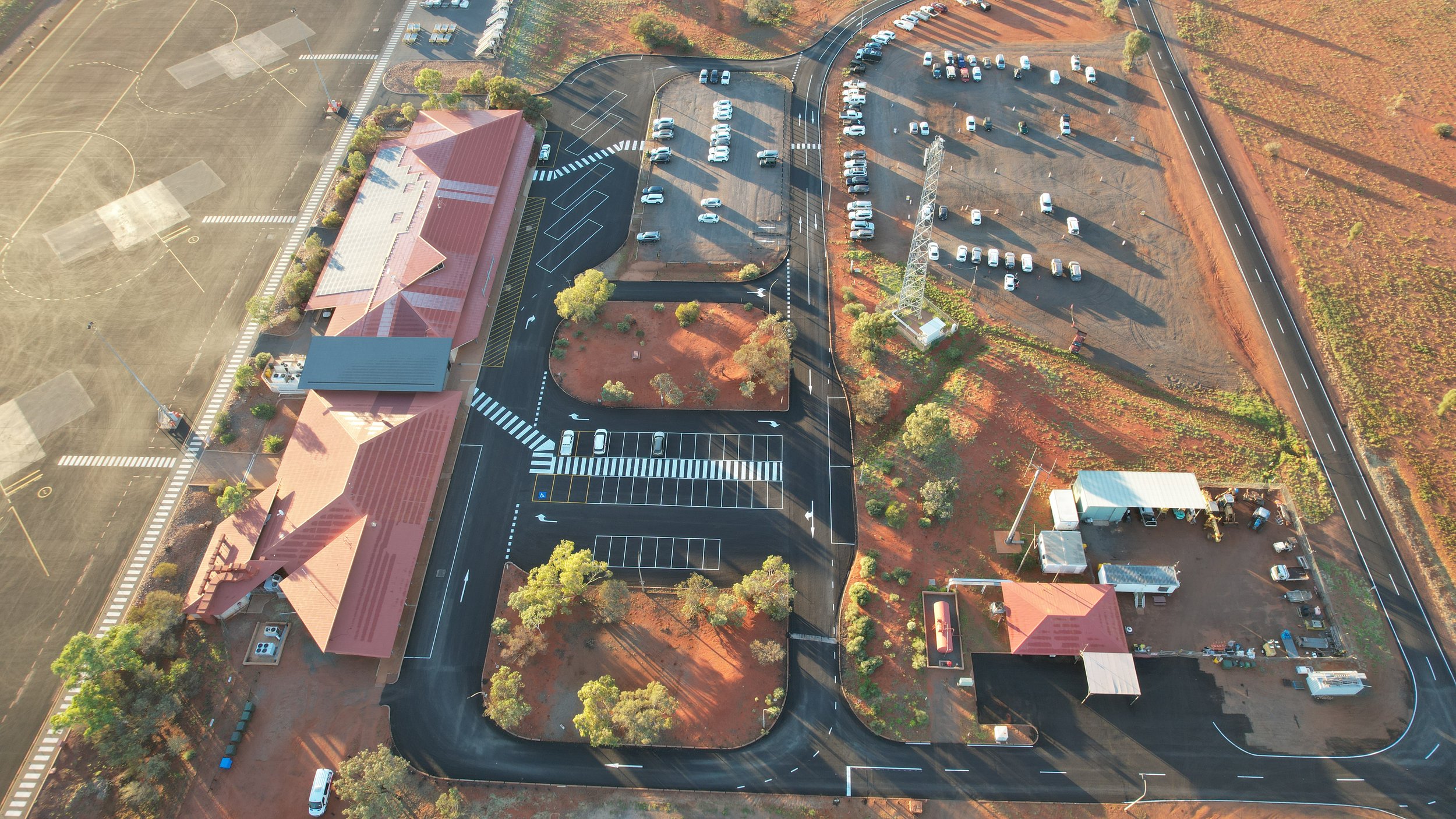
Approved product lists, application rates, retro reflectivity requirements, tolerances and verification regimes, and these differ between jurisdictions.
This is the layer that governs day-to-day delivery. A product approved in one state is not automatically approved in another. Application rates, bead specifications and acceptance criteria vary. So do the requirements around when permanent marking may be applied after resurfacing, and what evidence has to be provided at completion.
For a contractor working across Queensland, New South Wales, the ACT and South Australia, this is not an administrative detail. It affects material procurement, crew briefing and the documentation pack for every project.
The table below sets out the current specification each authority uses to govern pavement marking, current as at time of publication and subject to periodic revision by each authority.
| State/ Territory |
Authority | Specifications to Use | Scope |
|---|---|---|---|
| NSW | Transport for NSW (TfNSW) | TS 05462 | Delineation and Pavement Marking — current TfNSW specification, replacing the former R141/R145 QA Specification series |
| SA | Department for Infrastructure & Transport (DIT) | RD-LM-C1 | Application of Pavement Marking |
| RD-LM-S1 | Materials for Pavement Marking | ||
| RD-LM-C2 | Supply and Application of Audio Tactile Line Marking | ||
| ACT | Transport Canberra and City Services (TCCS) | MITS 11 | Pavement Marking |
| QLD | Department of Transport and Main Roads (TMR) | MRTS14 | Road Furniture |
| MRTS45 | Road Surface Delineation |
Do airport markings follow the same standards?
Aviation pavement marking does not follow AS 1742.2 or any state road authority specification. It is governed instead by the CASA Part 139 (Aerodromes) Manual of Standards, made under CASR Part 139, which sets pavement-marking requirements for runways, taxiways, aprons, holding positions and other aerodrome surfaces.
Airport / Aerodrome Specifications
| Specification | Description | Application |
|---|---|---|
| CASA Part 139 MOS | Manual of Standards – Aerodromes | Primary Australian regulatory standard for aerodrome pavement markings, including runway, taxiway, apron, holding position and associated markings |
| Aerodrome Manual | Operator document approved by CASA under CASR Part 139 | Applies the Part 139 MOS pavement-marking requirements to the individual aerodrome; airport-specific layout and site detail sit in this document rather than in the MOS itself |
What certifications should a line marking contractor hold?
PCCP certification for line marking delivery, and certified management systems covering safety, quality and environment.
| Certification | What it covers |
|---|---|
| PCCP certification | Contractor certification for line marking delivery |
| ISO 9001 | Quality Management System: consistent process, quality assurance, verification records |
| ISO 45001 / AS/NZS 4801 | Safety Management System: risk management and workplace safety |
| ISO 14001 | Environmental Management System: waste capture, disposal, resource management |
Action LSC is a PCCP certified company and operates certified safety, quality and environmental management systems.
Certification is not the same as compliance on a given job, and it should not be read that way. What it establishes is that a documented system exists and is audited, which is what allows an asset owner to rely on the records that come back at completion.
What do the crews on site have to hold?
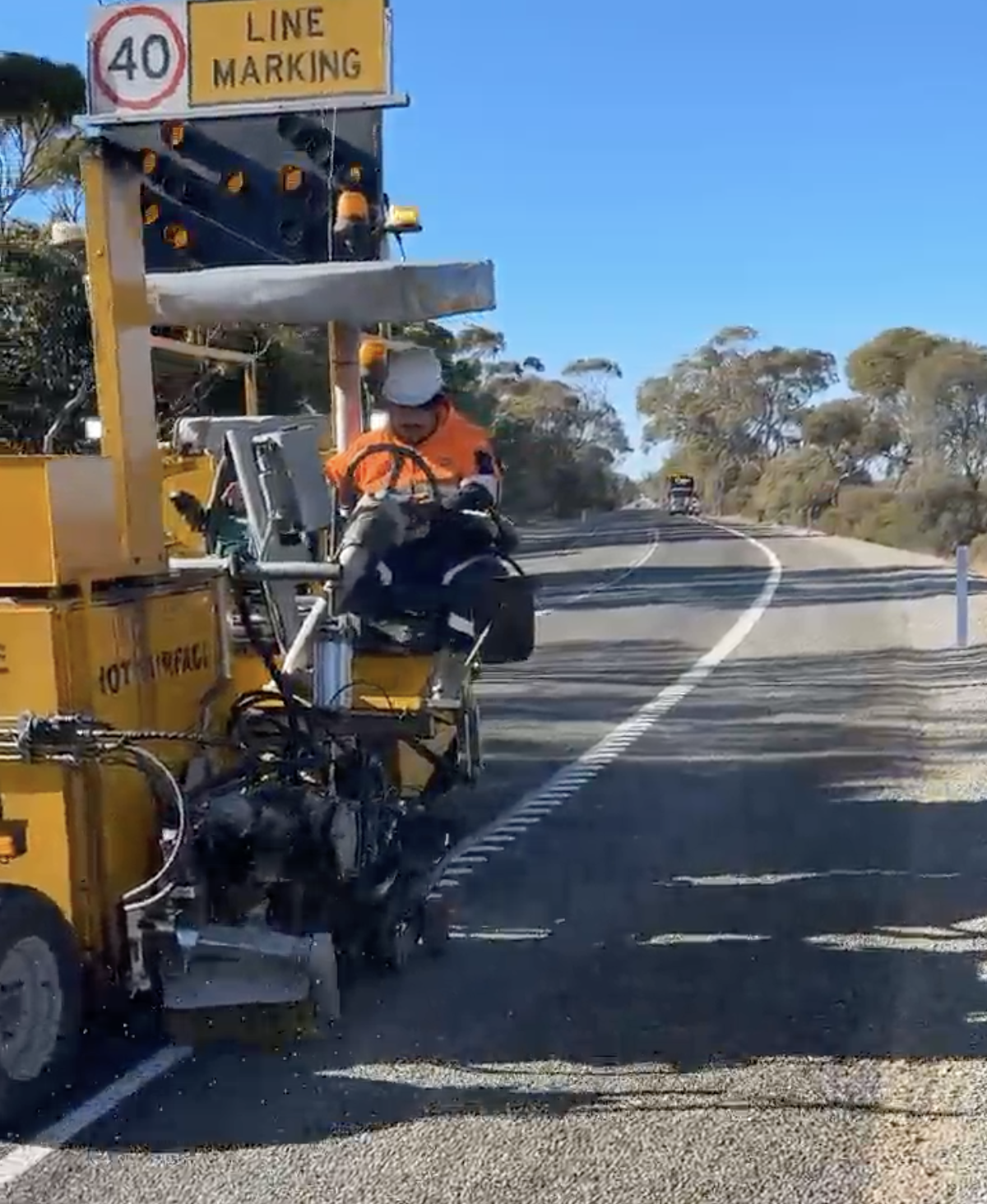
Traffic Control Accreditation, White Card and First Aid as a minimum, plus role-specific training for the plant they operate.
Line marking is delivered inside live traffic. The competency requirements reflect that rather than the marking activity itself.
Traffic Control Accreditation for personnel working within live traffic environments
White Card for construction site access
First Aid for field-based personnel
Role-specific technical training on the application plant in use
Site-specific inductions and competency assessments to project requirements
PPE compliance follows AS/NZS 1906.4 for high-visibility requirements, and every project runs on site-specific Safe Work Method Statements.
What environmental requirements apply to line marking and line removal?
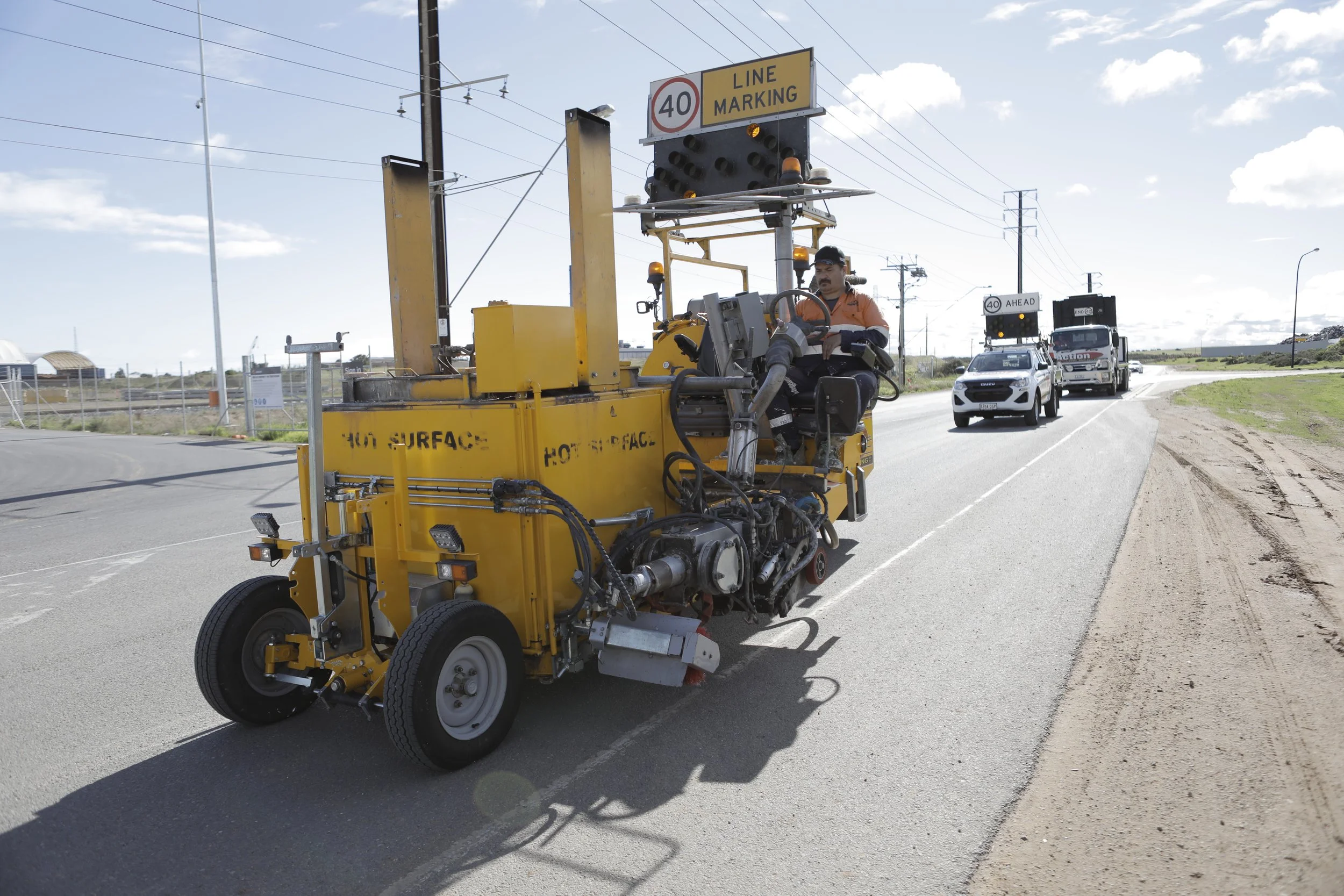
Mostly to removal rather than application, because removal generates waste that must be captured rather than released.
High-pressure water blasting removes paint, thermoplastic, binder and rubber from the pavement, and all that material has to go somewhere. Environmentally managed operations mean full waste capture, containment and responsible disposal rather than washing residue into the drainage system. Near waterways, containment is the controlling requirement.
On the application side, waterborne paint systems are prioritised where suitable to reduce VOC emissions.
Both sit within a certified ISO 14001 Environmental Management System.
What documentation should be provided at completion?
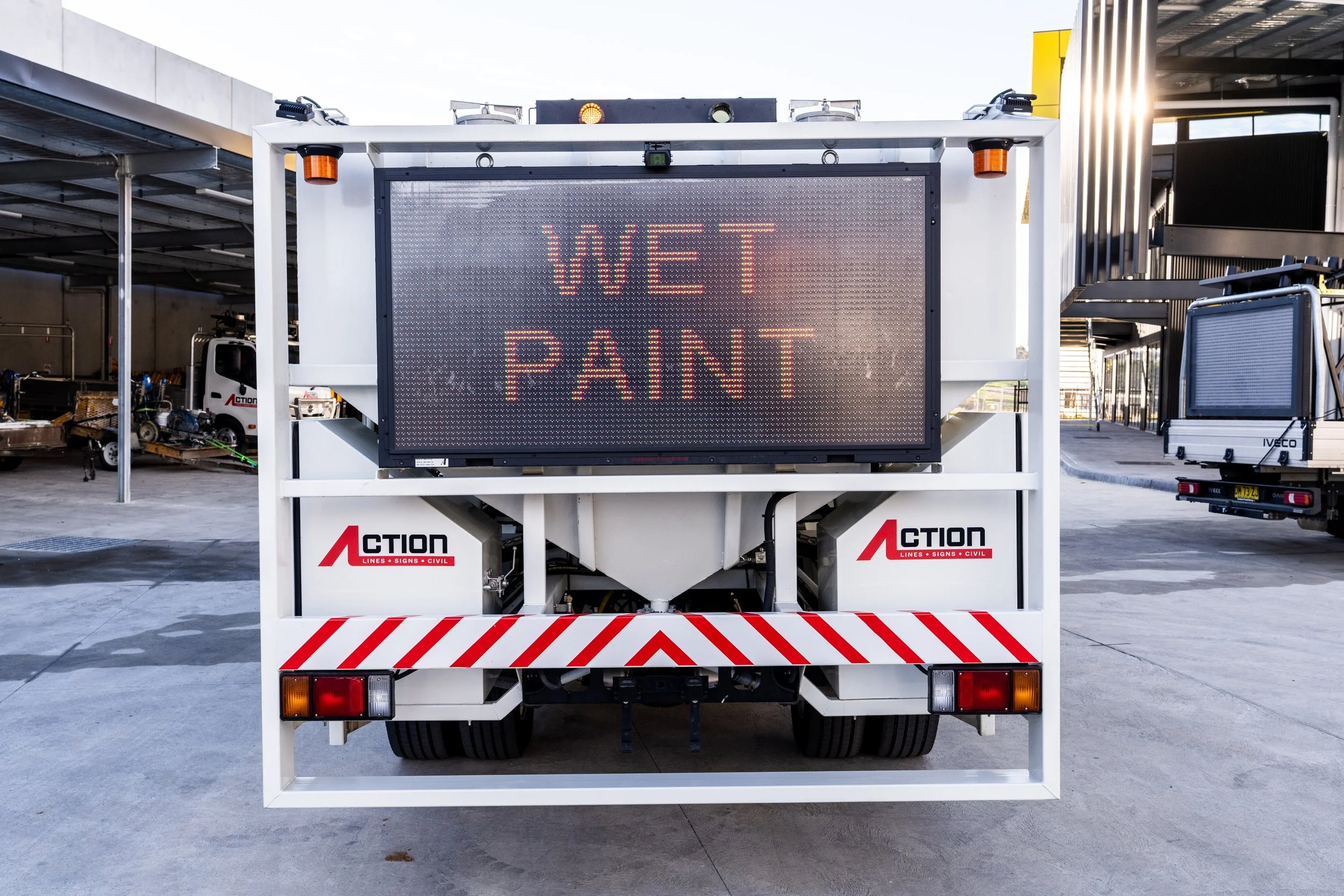
Enough to demonstrate what was applied, where, to what specification, and by whom.
For most road authority work that means quality records covering material batch and application rates, inspection and verification records, safety documentation including the site-specific SWMS, and as-built information locating the work.
GPS-guided application and fleet telematics change what is possible here. Real-time production data and digital as-built records give greater transparency, simplify project verification and reduce disputes, because the record of what was applied exists independently of anyone's recollection.
Frequently asked questions about line marking standards
Is AS 1742.2 mandatory?
Short answer. It is given effect through state road authority requirements and project specifications rather than applying automatically in its own right.
In practice, work on public roads is specified to it, and departures require approval from the relevant authority.
Do the same standards apply to car parks and private roads?
Short answer. Not automatically, but they are the sensible reference point, and some elements are picked up through other requirements.
Disability access marking, fire service access and workplace safety obligations can all apply on private land regardless of whether the road authority specification does. See car park line marking requirements.
Who is responsible if marking does not comply?
Short answer. Usually the contractor, and remediation usually means removal rather than remarking.
This is why material approval and application rate verification are worth confirming before mobilisation rather than after.
Compliant line marking delivery from Action LSC
Action LSC is a PCCP certified line marking contractor delivering to AS 1742.2 and state road authority specifications across Queensland, New South Wales, the ACT and South Australia, with certified ISO 45001, ISO 9001 and ISO 14001 management systems and GPS-guided as-built recording.