
Cold Applied Plastic vs Thermoplastic vs Waterborne Paint - A comparison
There is no single best line marking material. Waterborne paint, thermoplastic and cold applied plastic each outperform the others in a defined set of conditions, and the selection is driven by road classification, traffic volume, operating speed and how long the marking must last before the next intervention. Choosing on unit rate alone is the most common and most expensive mistake in this decision, because the cheapest material to apply is rarely the cheapest material to own.
Which Line Marking Material is best for your Road?
What are the main line marking materials used in Australia?
| Material | Best Suited to | Service Life | Drying Time | Key Characteristic |
|---|---|---|---|---|
| Waterborne paint | Local roads, car parks | Standard | Fast | Cost effective, high coverage rate |
| Thermoplastic | Urban intersections, symbols and legends | Long | Very fast | High durability, superior retro reflectivity |
| Cold applied plastic (CAP) | Highways, motorways | Very long | Fast | Applied without heat, superior longevity |
| Audio Tactile Line Marking (ATLM) | High-speed roads, school zones | Very long | Fast | Adds audible and tactile lane departure warning |
When is waterborne paint the right choice?
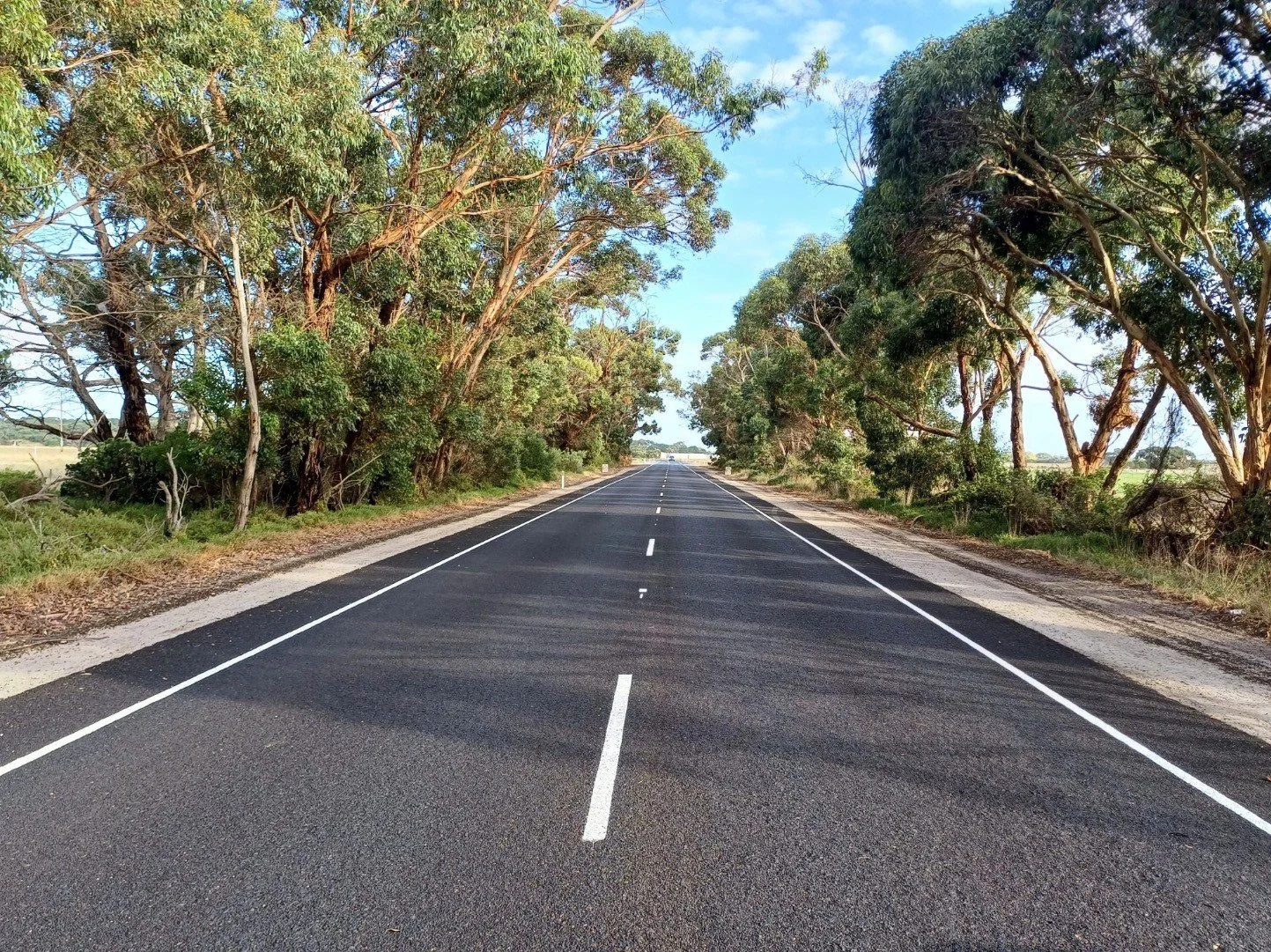
Waterborne paint is applied as a liquid film and cures by evaporation. It is the highest-coverage, lowest-unit-cost option available, and it is applied from high-capacity trucks that can cover long distances in a shift. Action LSC runs custom-built paint trucks at 1,000 and 2,000 litre capacity for exactly this reason.
It is also the lowest-VOC pathway of the common systems, which is why it is prioritised where it is suitable.
Its limitation is wear. A paint film sits thin on the surface and is worn by tyre contact, sweeping, and in colder regions by winter maintenance. On a high-volume corridor, that means returning sooner. Where returning is cheap and easy, that is a sound trade. Where returning means a night shift and a lane closure on a motorway, it is not.
Choose waterborne paint for: local streets, residential roads, car parks, low-volume rural sealed roads, and any application where the marking is temporary or expected to change.
When is thermoplastic the right choice?
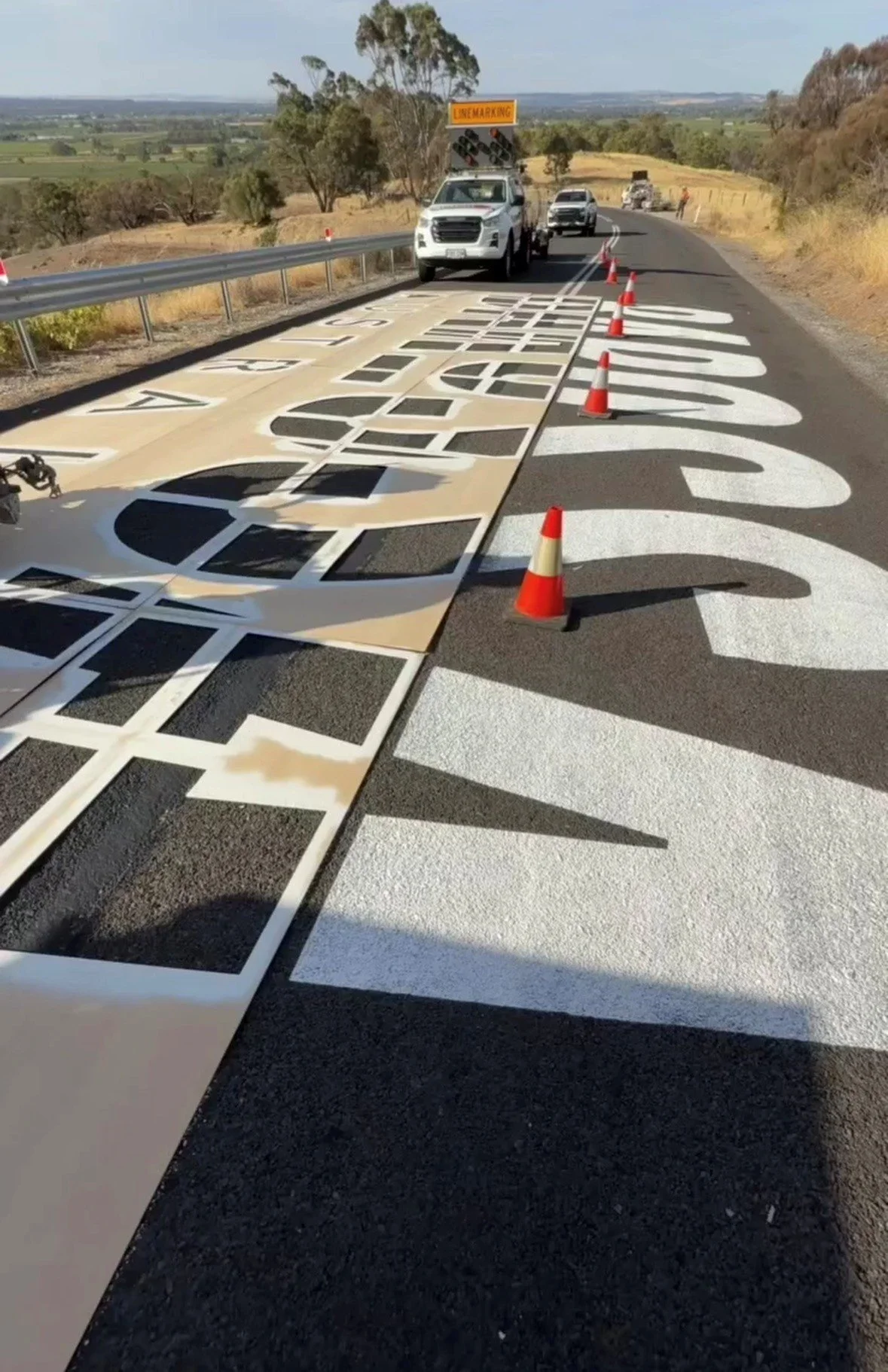
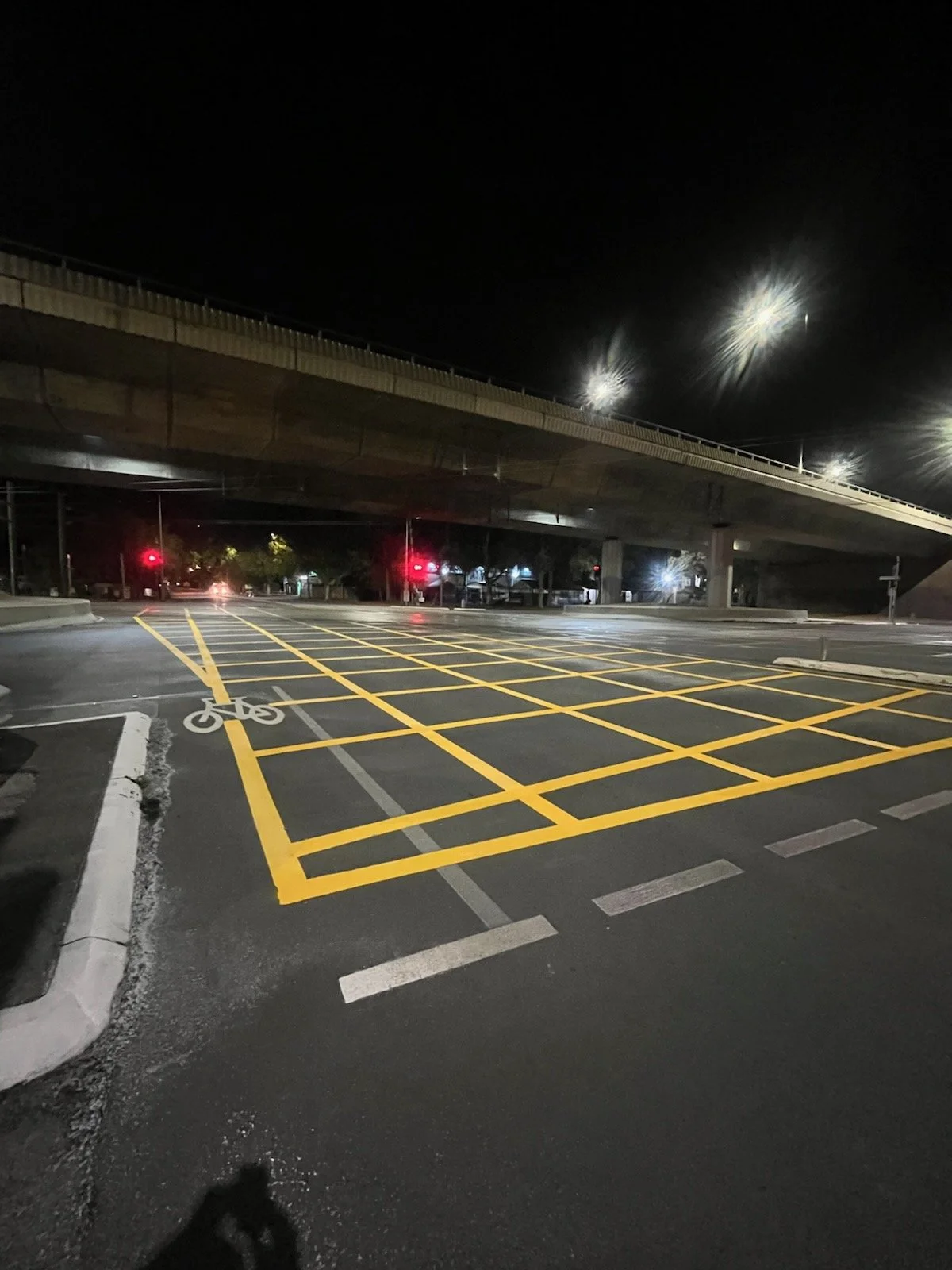
Thermoplastic is applied hot and cools almost immediately, which means it can be opened to traffic quickly and causes minimal disruption to roads, car parks, playgrounds, schools and facilities. It builds a thicker section than paint, embeds glass beads well, and delivers superior retro reflectivity and skid resistance.
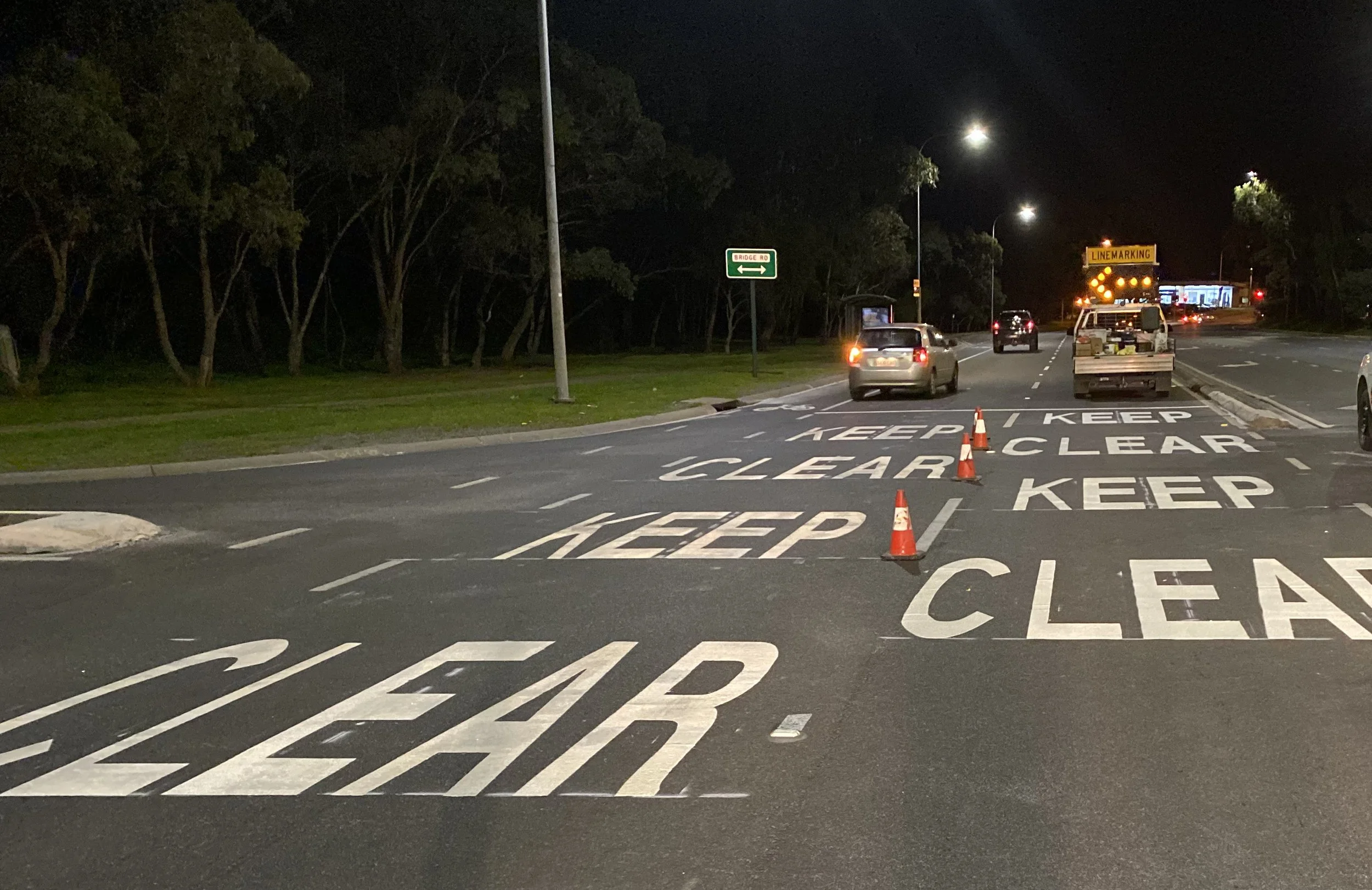
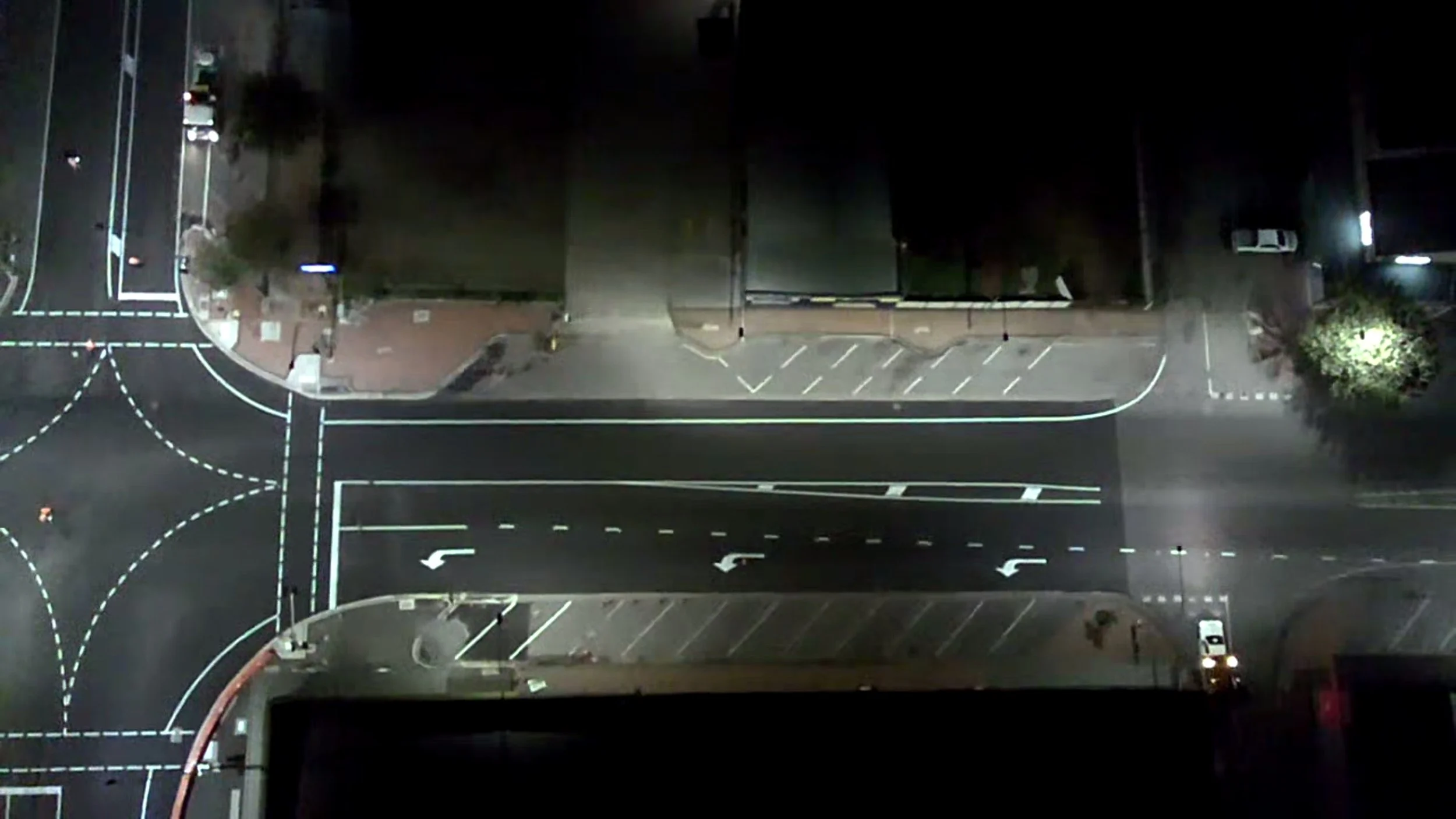
It is available extruded, for long line application, and preformed, for complex symbols, arrows and legends where dimensional precision is required. That second form is where thermoplastic is hardest to beat. A turn arrow at a signalised intersection takes vastly more wear per square metre than the edge line a kilometre away, because every vehicle in that lane crosses it in the same place.
Choose thermoplastic for: urban intersections, arrows, legends and symbols, roundabout markings, high-wear localised areas, and school and facility markings where fast reopening matters.
When is cold applied plastic the right choice?
Cold applied plastic is a durable, high-performance material applied without heat. Two consequences follow from that.
The first is safety of application. There is no hot material on site, which removes a category of risk from the crew.
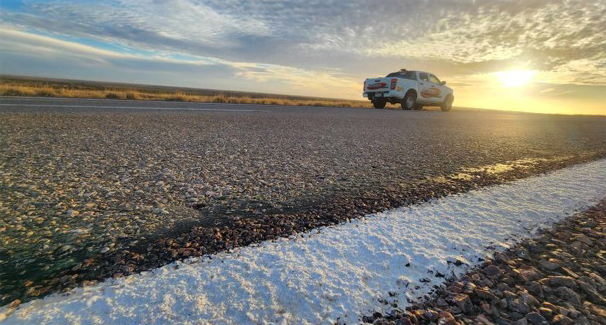
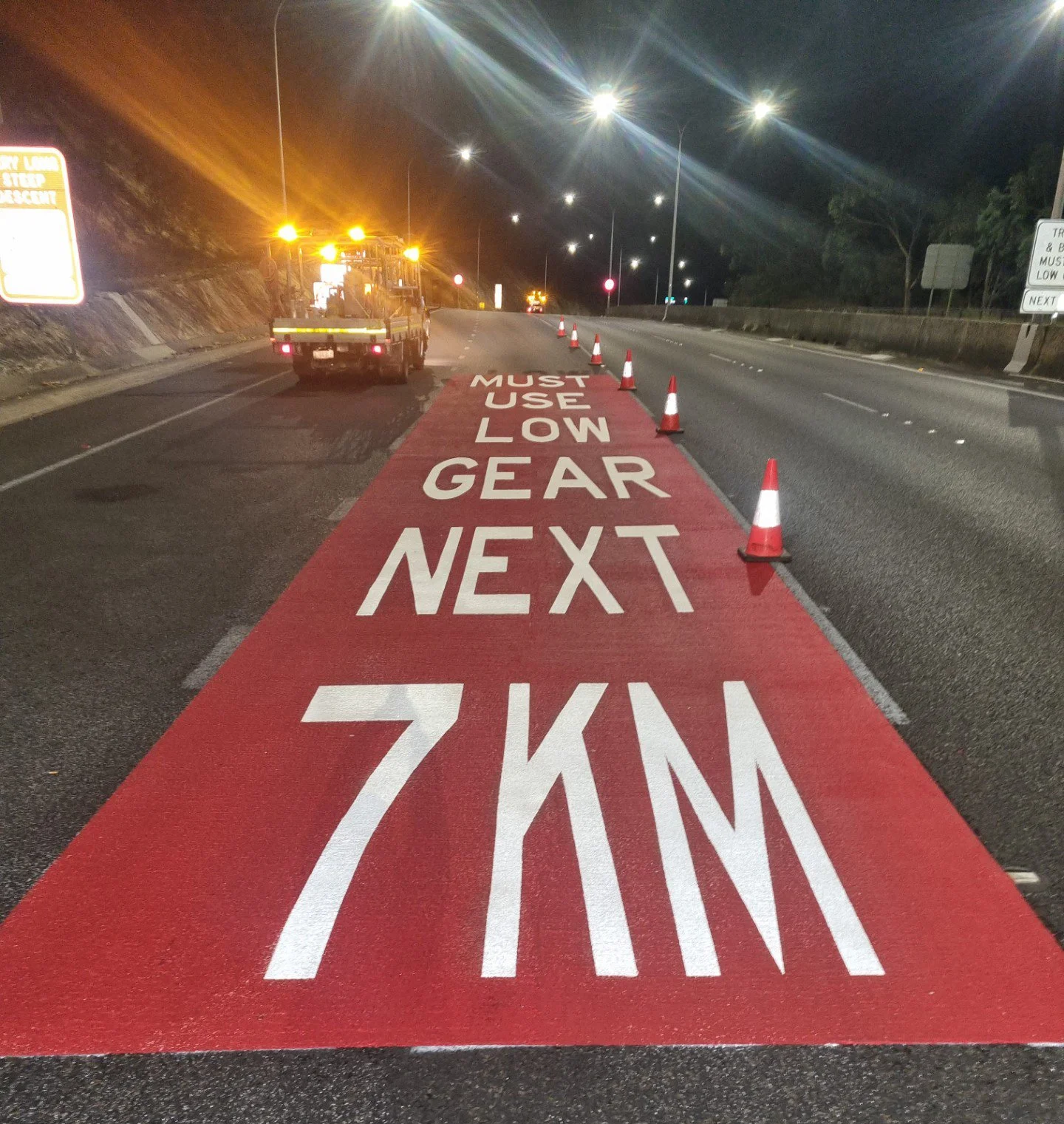
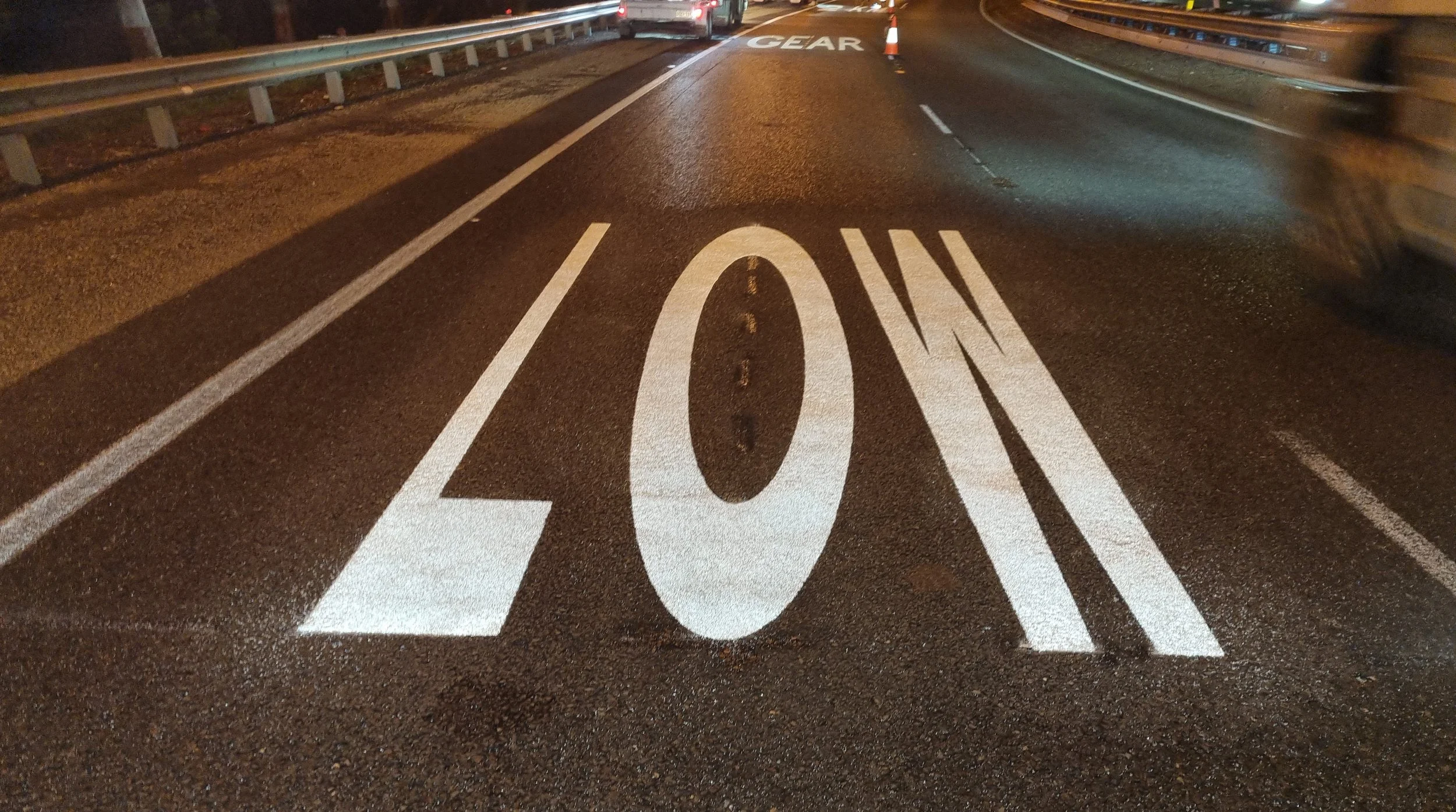
The second is performance. CAP is significantly longer lasting than waterborne paint in high-stress environments, and its retro reflectivity and longevity make it a preferred material for high-speed rural and motorway networks. Road authority demand for it is accelerating for that reason.
The trade-off is unit cost at application. CAP costs more per metre laid than paint. It is selected when the whole-of-life calculation favours it, which on a motorway it usually does, and on a suburban street it usually does not.
Choose CAP for: motorways, high-speed rural highways, high-volume arterials, and any corridor where lane closures for remarking are disruptive or expensive.
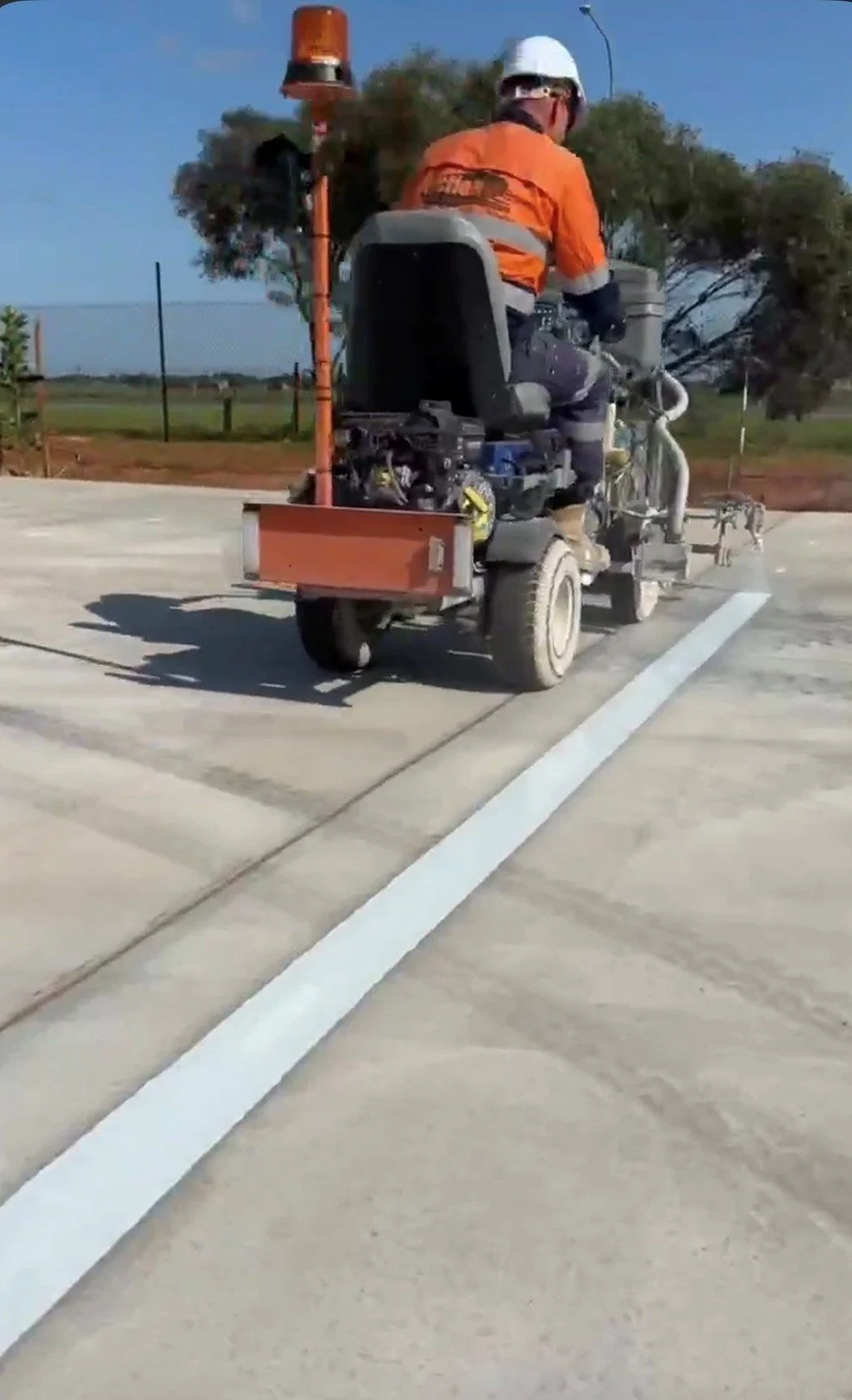
Where does ATLM fit?
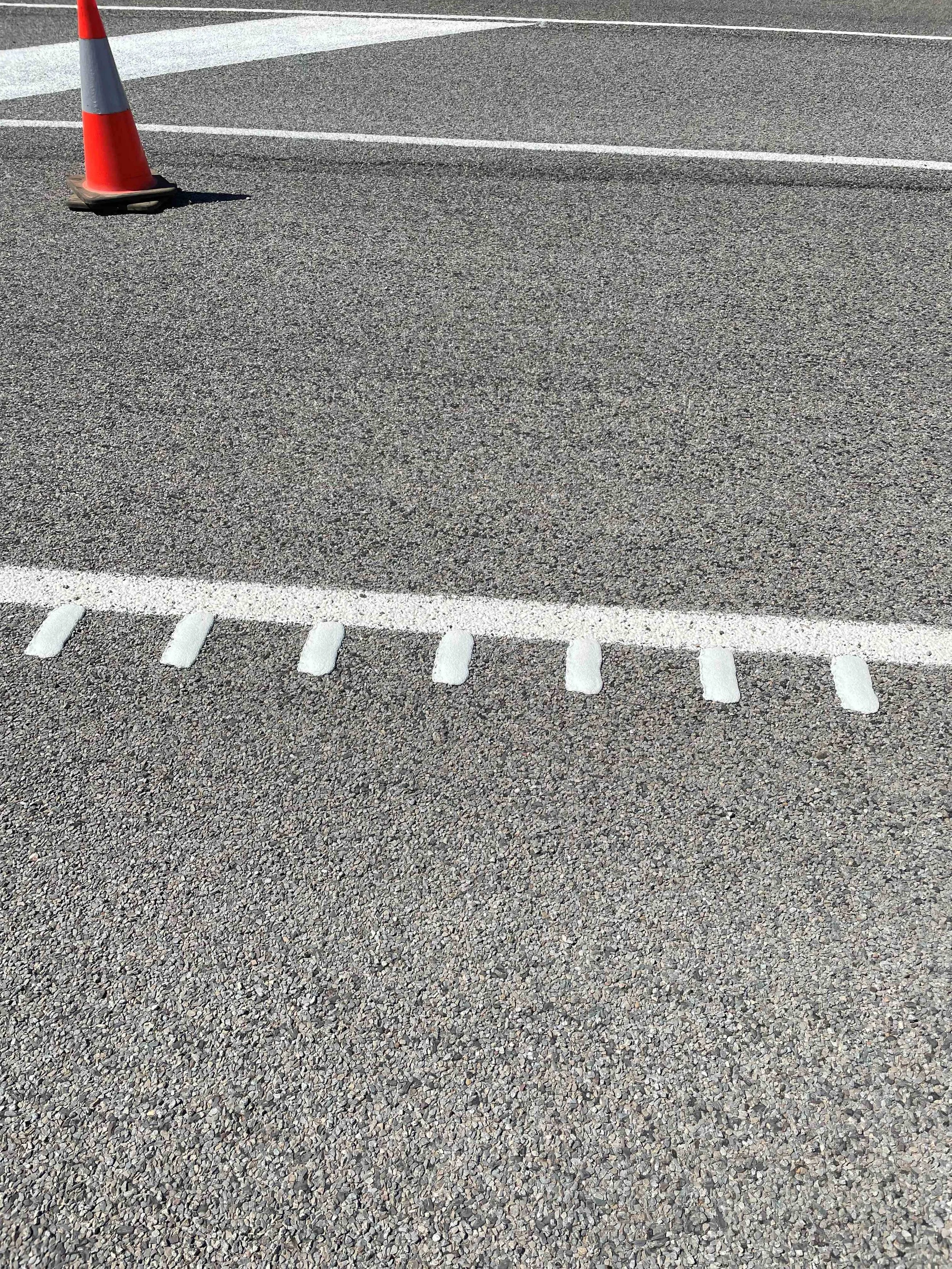
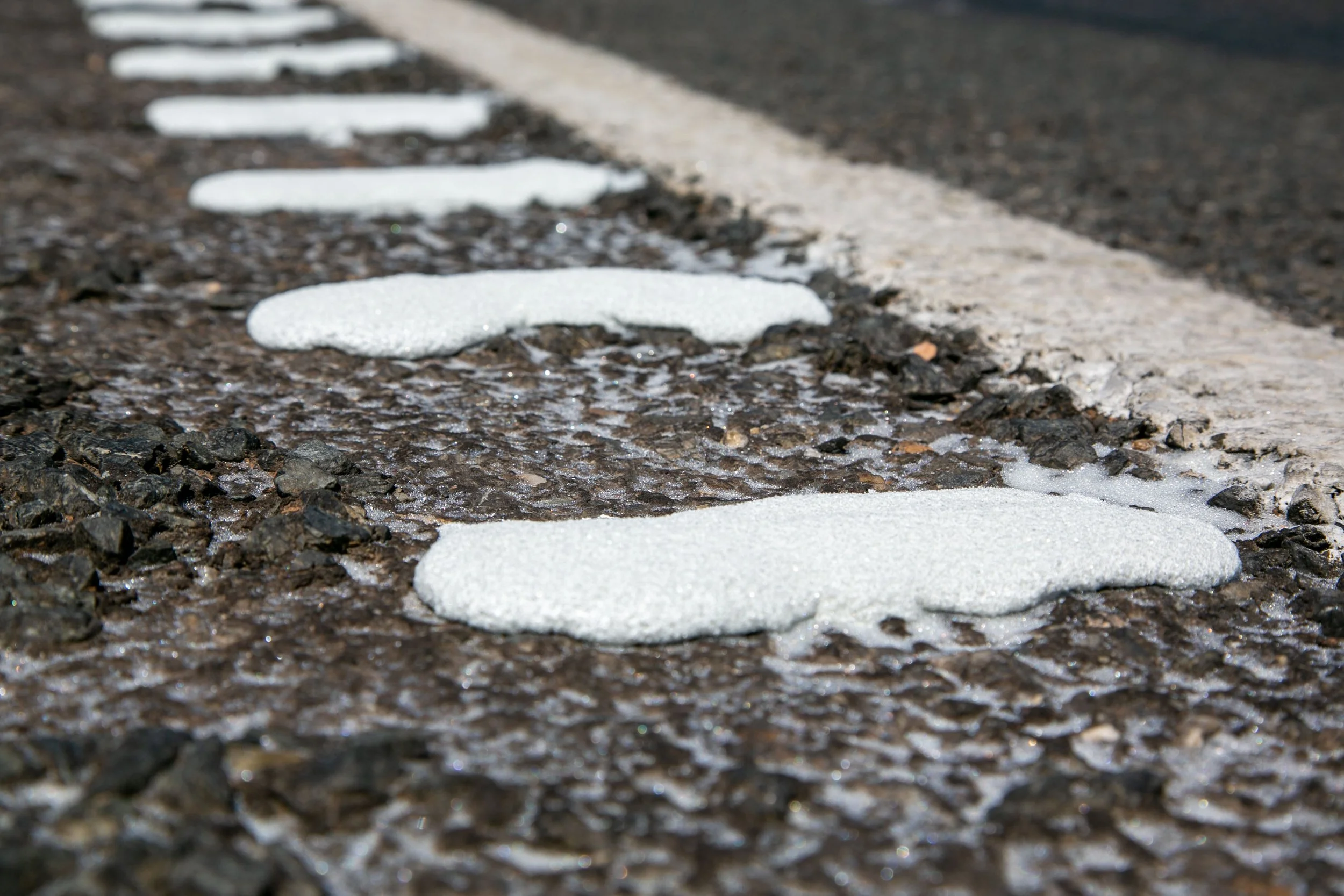
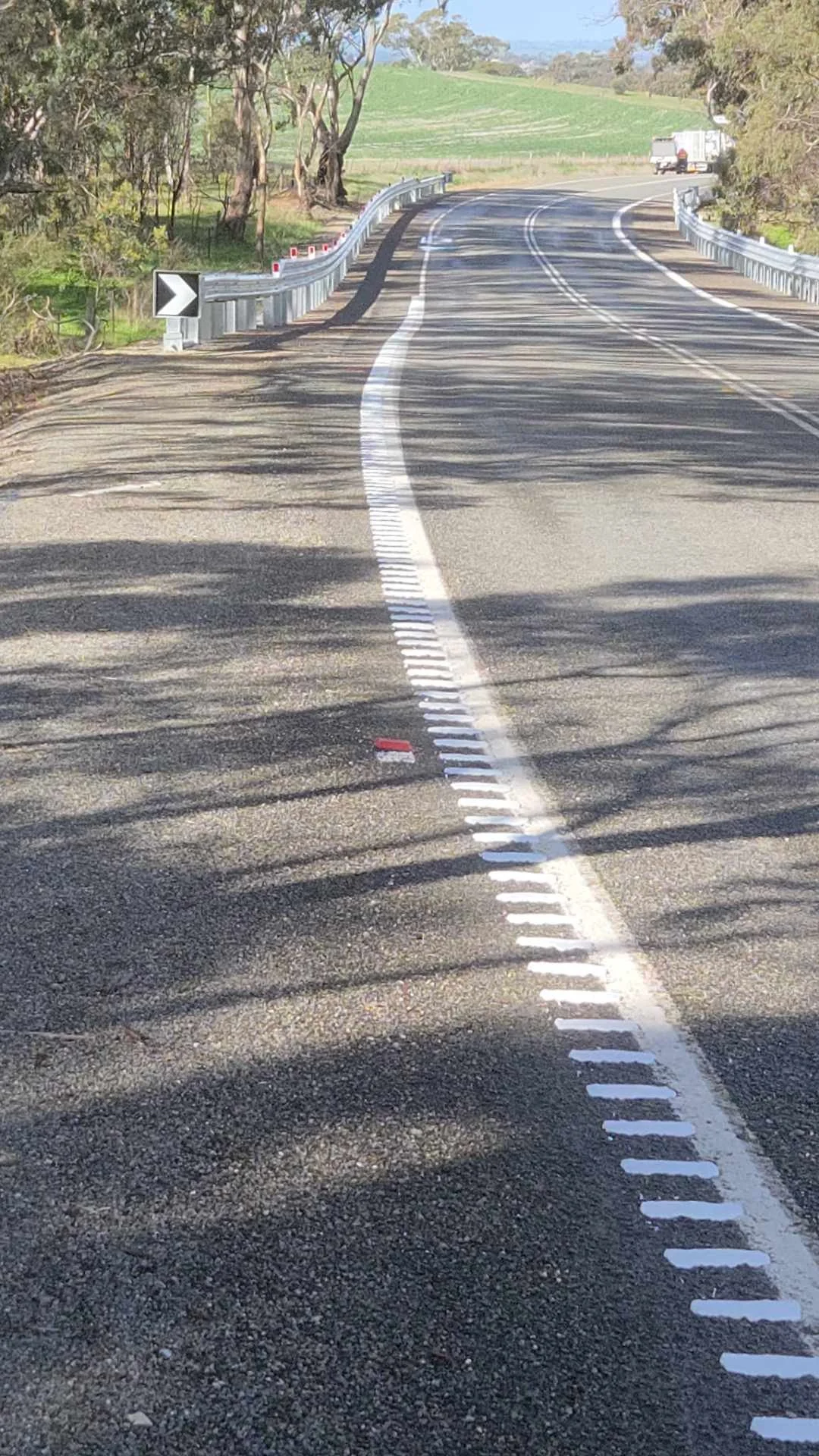
Audio Tactile Line Marking is CAP laid as a raised profile, so that a vehicle crossing it produces an audible and tactile lane departure warning alongside the visual delineation. It is specified where run-off-road and head-on crashes are the dominant risk, on high-speed highways, rural roads, school zones and other safety-critical locations, to AS 1742.2.
If a corridor is a candidate for CAP on durability grounds and also carries a lane departure crash history, ATLM is usually the better answer than plain CAP, because the incremental cost buys a safety function rather than only a longer service life. See what is Audio Tactile Line Marking for the detail.
How should an asset owner actually decide?
Short answer. Work from the road, not from the price list. Classification and traffic volume narrow the field, the crash type decides whether a safety treatment is warranted, and whole-of-life cost settles what remains.
Start with road classification and operating speed. This eliminates most of the field immediately. Motorway edge lines and a school car park are not the same problem.
Add traffic volume and wear concentration. High volume favours durable materials. Concentrated wear in a small area favours thermoplastic specifically.
Check the crash history. If lane departure is the dominant crash type on a high-speed section, the question is not which material, it is whether ATLM is warranted.
Cost the intervention, not the metre. A remark on a motorway carries traffic management, night works and lane closures. The material is often the smaller part of that number.
Check the surface. A durable material on a failing pavement is money spent on a marking that will fail with the surface beneath it, regardless of specification.
Confirm the authority specification. Approved materials and application rates vary by jurisdiction.
What does whole-of-life cost actually include?
Short answer: The material, the application, and every return visit across the asset's life, including the traffic management that comes with each one.
The unit rate to apply a line is the visible number. The costs that decide the outcome are usually the ones that recur.
Traffic management and lane closures for every reapplication
Night shift loading where day closures are not permitted
Mobilisation and travel, which on regional programs can exceed the marking cost
Surface preparation or removal of failed marking before reapplication
Road user delay cost, which is real even where it does not appear in the contract
The safety cost of degraded delineation in the period before remarking happens
On a low-volume road with easy access, a cheaper material reapplied more often is genuinely the correct answer. On a motorway, it rarely is. This is why the same contractor will recommend different materials for two jobs that look similar on paper.
What standards and approvals apply?
| Requirement | Application |
|---|---|
| AS 4049 | Paints and related materials — Pavement marking materials |
| AS 1742.2 | Australian Standard for Manual of Uniform Traffic Control Devices - Part 2 |
| State road authority specifications | Approved material lists, application rates, retroreflectivity requirements |
| PCCP certification | Contractor certification for line marking delivery |
| ISO 9001 | Certified quality management, covering application and verification records |
Frequently asked questions about line marking materials
Can thermoplastic be applied over existing paint?
Short answer. It depends on the condition and adhesion of what is underneath.
Existing marking that is well bonded and sound can sometimes be overmarked. Marking that is failing, contaminated or delaminating has to be removed first, or the new material will fail with it.
Which material performs best in the wet at night?
Short answer. Profiled materials, because they stand above the surface water film that causes flat markings to lose visibility.
Bead type and embedment matter as much as the base material here. See why line marking disappears in the wet at night.
Is cold applied plastic worth it on a council road?
Short answer. Sometimes, on the higher-order roads in the network, and rarely on the local street network.
The test is whether closing the road to remark it is expensive or disruptive. On a busy council arterial with difficult access, CAP can be justified. On a residential street it generally is not.
Specialist line marking material selection from Action LSC
Action LSC applies waterborne paint, thermoplastic, cold applied plastic and ATLM, and can advise on material selection during planning rather than at the point of application. Our teams provide early contractor involvement input on materials, methodology and staging before works begin.
RELATED READING:
What is Audio Tactile Line Marking, why new line marking fails early, and the full line marking services capability.