
Early Contractor Involvement (ECI) is the practice of bringing a specialist delivery contractor into a road or infrastructure project at the planning stage, before works begin. On road projects, the specialist trades that finish the job (line marking, safety barriers, signage and road furniture) are often engaged last, after design, staging and traffic plans are locked. ECI reverses that order. Action LSC's ECI service puts experienced delivery teams in the room while decisions can still change, so constructability, staging and material issues are solved on paper rather than on site.
What Is Early Contractor Involvement?
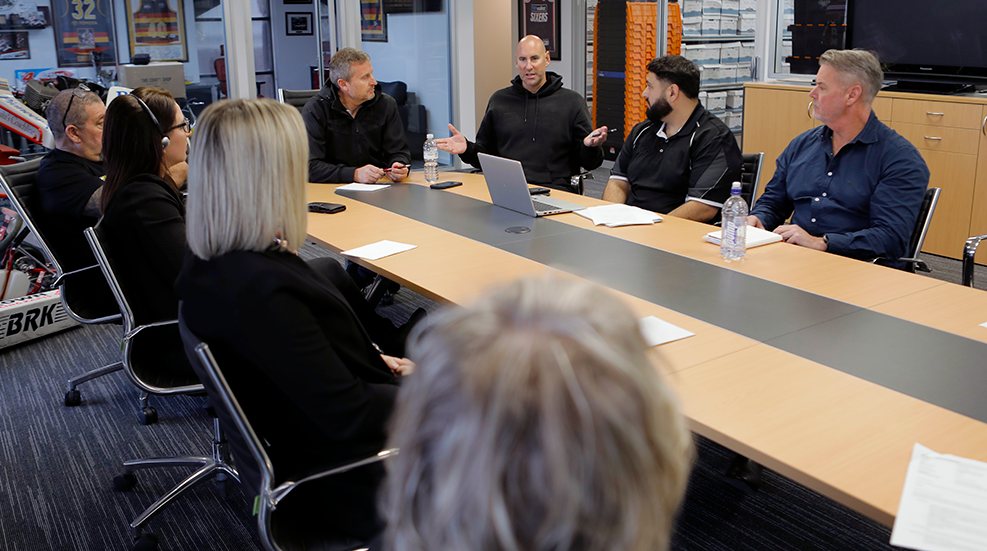
Early Contractor Involvement is a collaborative approach where the contractor who will deliver the work helps plan it. Instead of receiving a fixed design and pricing it, the specialist contractor reviews methodologies, site constraints and staging alongside the client and designer, and contributes practical delivery knowledge before the scope is finalised.
ECI is used formally as a two-stage procurement model on major Australian transport projects, and informally whenever a principal contractor, council or road authority involves a specialist subcontractor early. In both cases, the aim is the same: make sure the plan reflects how the work will actually be delivered.
Why Do Road Projects Run Into Trouble in the Final Stages?
Road projects often hit problems late because the specialist finishing trades are brought in after the key decisions have been made. By the time a line marking, barrier or signage contractor sees the project, staging, specifications and traffic arrangements are fixed, and any conflict between the plan and the site has to be solved during delivery. These are the most common issues.
Materials Specified Without Real Traffic and Site Conditions
Pavement marking and signage materials perform very differently depending on traffic volumes, surface type, climate and exposure. A material chosen without that context can wear early, lose retroreflectivity faster or need reapplication sooner than the asset owner planned for.
Barrier and Sign Locations That Clash With Site Access or Services
Safety barrier runs, sign structures and road furniture are sometimes set out without accounting for site access, underground services or construction sequencing. Relocating them on site adds cost and delay, and can affect compliance.
Staging That Forces Extra Closures or a Second Mobilisation
When finishing works aren't considered in the staging plan, crews may need additional lane closures, more night works or a return visit to complete work that could have been done in one mobilisation. Each extra shift adds traffic management cost and disruption for road users.
Specifications That Don't Match How the Work Is Delivered
A specification can be technically correct and still be difficult to build. Without delivery input, gaps between the specification and practical construction methods tend to surface as variations, rework or programme pressure.
Several Subcontractors Managing One Corridor
On many corridors, line marking, safety barriers, signage, road furniture and minor civil works are let to different subcontractors. Each brings its own programme, crew, traffic arrangements and quality standard. The client ends up coordinating the interfaces between them, chasing accountability when one trade's work affects another's, and accepting inconsistent finish quality, such as remarking that varies from one section or contractor to the next.
Each of these problems is cheap to fix during planning and expensive to fix on the road.
How Does Early Contractor Involvement Solve These Problems?
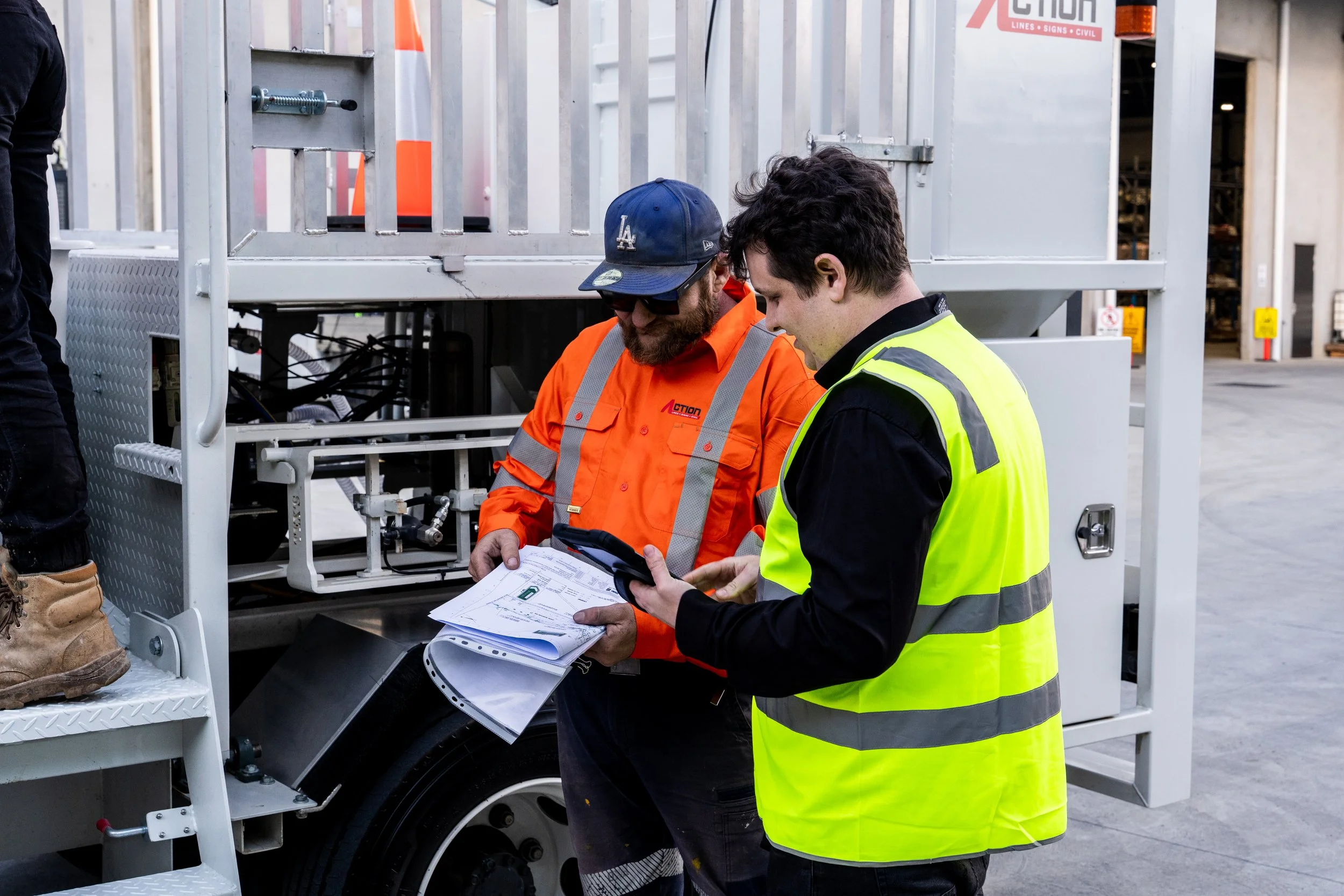
Early Contractor Involvement solves late-stage problems by moving specialist delivery knowledge to the start of the project. Action LSC's ECI service covers six areas.
Planning and Constructability Review
Action LSC reviews methodologies, site constraints, staging, traffic impacts, resourcing and construction sequencing to confirm the plan can be delivered safely and efficiently.
Mobilisation Planning
Staging, mobilisation and delivery strategies are planned in advance, with workflows coordinated so the right people, equipment and specialist capability are available when they're needed.
Delivery Planning and Risk Assessment
Safety, site access, traffic environments and operational constraints are assessed before work starts, so risks are identified while there is still time to design them out.
Technical Advice Across Specialist Services
Action LSC provides input across line marking, safety barriers, bridge maintenance, signage, road furniture and minor civil works, aligned with project specifications, Australian Standards and long-term asset performance.
Material and Methodology Recommendations
Recommendations are based on site conditions, traffic volumes, environmental factors and whole-of-life performance, not just upfront cost.
Early Access to Innovation
ECI allows newer technologies to be designed into the project from the start rather than added later, including GPS-guided line marking, Workzone Digitisation (WZD), advanced sign manufacturing and high-performance road marking.
Why Does a Multi-Discipline Contractor Make ECI More Effective?
ECI is most effective when the contractor at the planning table can deliver every specialist scope on the corridor. When one contractor plans line marking, safety barriers, signage, road furniture, bridge maintenance, minor civil works and traffic management together, the interfaces between those trades are solved in planning rather than managed on site. Action LSC delivers all disciplines in-house, giving clients one accountable contractor for the whole corridor.
One Accountable Contractor for the Whole Corridor
With Action LSC, there is one point of contact, one programme and one line of accountability across every specialist scope. Clients no longer have to coordinate several subcontractors, resolve disputes over whose work affected whose, or carry the risk that sits in the gaps between trades.
Integrated Staging Across Every Discipline
Because every scope is planned by the same team, works can be sequenced together. Barrier installation, sign structures, road furniture and line marking can share closures and mobilisations, reducing the number of shifts in live traffic and the disruption for road users.
Consistent Quality From Start to Handover
A single contractor applies the same methods, materials, standards and quality checks along the whole corridor. That removes the inconsistency that comes with multiple suppliers, including uneven remarking quality, and gives asset owners a predictable result at handover and over the asset's life.
Size and Scale to Deliver
Action LSC combines specialist teams, purpose-built equipment, in-house sign manufacturing and a national operational network. That scale means the capability identified during ECI is the capability that turns up on site, with the capacity to respond at short notice to changing requirements, urgent works and complex programmes.
What Standards & Guides Should Specialist Contractors Align With During ECI?
During ECI, specialist advice should align with the Australian Standards and road authority specifications that govern the finished assets. Relevant references include:
• AS 1742 (Manual of Uniform Traffic Control Devices) for signs and pavement markings
• AS/NZS 3845 for road safety barrier systems and devices
• State road authority specifications, such as those issued by the Queensland Department of Transport and Main Roads, Transport for NSW and South Australia's Department for Infrastructure and Transport
• Austroads guides for road design and road safety
Getting these requirements into the plan early avoids compliance issues being found during delivery or at handover.
What Are the Benefits of ECI for Road Authorities, Councils and Principal Contractors?
The main benefit of ECI is that risk is identified earlier, when it is cheapest to manage. For project owners and principal contractors, that means:
• One accountable contractor, with every specialist scope on the corridor planned, staged and delivered by Action LSC
• Fewer costly delays, because constructability and staging issues are resolved before mobilisation
• Less disruption for road users, through better-planned closures and fewer return visits
• Safer work sites, with access, traffic and operational risks assessed in advance
• Consistent quality, with the same methods and standards applied across the whole corridor
• Longer-lasting assets, with materials and methods chosen for whole-of-life performance and lower maintenance
• Access to specialist capability, with practical industry knowledge available from day one
Early Contractor Involvement Services from Action LSC
Action LSC is a multi-discipline specialist contractor providing line marking, safety barriers, bridge maintenance, sign manufacturing and installation, road furniture and minor civil works, all under one contract, for government and road authorities, Tier 1 and principal contractors, local councils, utilities, and commercial, airport and defence clients. Its ECI service gives project teams access to specialist delivery knowledge, purpose-built equipment and a national operational network, with teams ready to respond at short notice to changing requirements, urgent works and complex programmes.
Planning a road or infrastructure project? Talk to Action LSC about Early Contractor Involvement.
Call our Team on 1300 228 572 or click here for more information.